Jerry Roberts
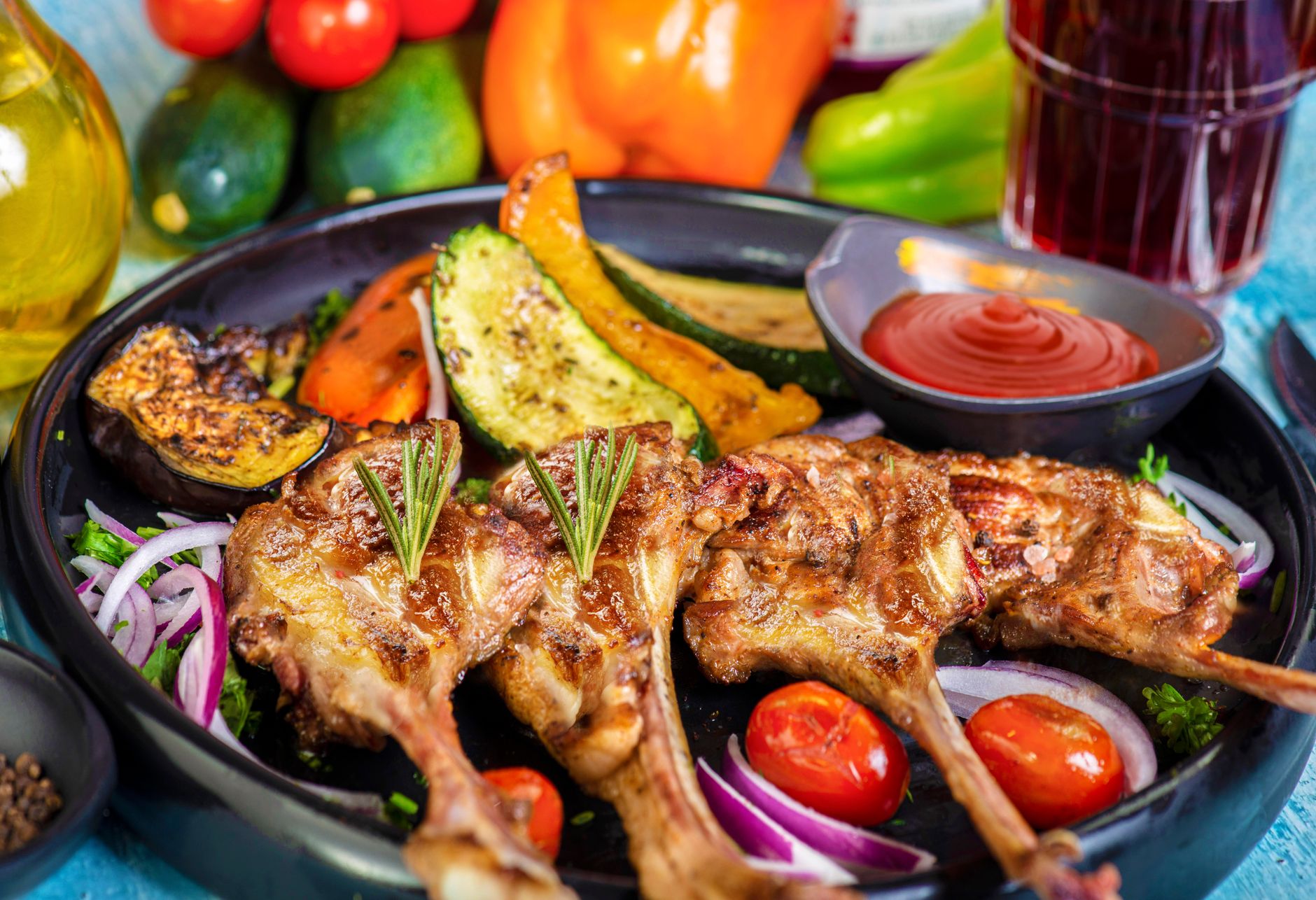
Ready-to-eat lamb is transforming the landscape for US retailers, offering new avenues for growth and consumer engagement. With increasing demand for convenient meal options, this trend is set to reshape the market.
Understanding the Ready-to-eat Lamb Trend
The ready-to-eat lamb trend is rapidly gaining traction among consumers, providing retailers with a unique opportunity to expand their product offerings. This shift towards convenience-oriented meals is reflective of broader changes in consumer behavior, where time-strapped individuals are increasingly seeking quick and flavorful dining options.
Several factors contribute to the rising popularity of ready-to-eat lamb:
- Culinary Appeal: Lamb is often associated with gourmet dining, making it an attractive choice for consumers looking to elevate their meal experiences.
- Health Consciousness: As more people prioritize healthy eating, lamb is recognized for its high protein content and essential nutrients, making it a desirable option.
- Product Innovation: Retailers are responding to the trend by introducing a variety of ready-to-eat lamb dishes, from savory wraps to hearty salads.
With the right marketing strategies, retailers can capitalize on the growing demand for ready-to-eat lamb, positioning themselves as leaders in this emerging segment.
Market Analysis of Ready-to-eat Lamb
The ready-to-eat lamb market is witnessing significant growth, driven by changing consumer preferences and an increasing demand for convenience. As more consumers seek out quick and nutritious meal options, retailers have the opportunity to capitalize on this trend.
Several factors are contributing to the rise of ready-to-eat lamb:
- Health Consciousness: Consumers are becoming more aware of their dietary choices, leading to a preference for lean proteins like lamb.
- Convenience: The fast-paced lifestyle of modern consumers makes ready-to-eat options appealing, allowing for quick meal solutions.
- Variety: Ready-to-eat lamb products come in various forms, including marinated options and ready-to-cook dishes, catering to diverse tastes and preferences.
Retailers who embrace this trend can enhance their product offerings and attract a broader customer base. As the ready-to-eat lamb segment continues to expand, it presents a lucrative opportunity for retailers looking to innovate and grow their sales.
Consumer Preferences for Ready-to-eat Meals
As consumer lifestyles continue to evolve, there is a noticeable shift towards convenience in meal options, particularly in the realm of ready-to-eat meals. Among these, ready-to-eat lamb has emerged as an enticing choice for many households. Research indicates that a significant portion of consumers are seeking out meals that not only save time but also deliver quality and flavor.
Some key consumer preferences include:
- Health Consciousness: Many consumers are prioritizing nutritious options, making ready-to-eat lamb appealing for its protein-rich profile.
- Flavor Variety: The demand for diverse flavors encourages retailers to innovate with marinades and seasonings for ready-to-eat lamb products.
- Quality Assurance: Buyers are more discerning about the quality of meat, pushing retailers to source premium lamb to meet expectations.
This combination of health, flavor, and quality is driving the popularity of ready-to-eat lamb, making it a prime opportunity for retailers to expand their offerings and attract new customers.
Retail Strategies for Lamb Products
As retailers look to capitalize on the growing popularity of ready-to-eat lamb, several strategies can enhance their market presence. Implementing targeted marketing campaigns is essential to educate consumers about the benefits and versatility of this protein option. Retailers should focus on the following strategies:
- Product Placement: Position ready-to-eat lamb products in high-traffic areas, such as near checkout counters or at the end of aisles, to increase visibility.
- Sampling Events: Organize in-store tastings to introduce customers to different ready-to-eat lamb offerings, encouraging trial and purchase.
- Online Promotion: Leverage social media and e-commerce platforms to reach a broader audience, highlighting the convenience and flavor of ready-to-eat lamb.
- Partnerships: Collaborate with local chefs or influencers to create appealing recipes that showcase ready-to-eat lamb, enhancing customer engagement.
By implementing these strategies, retailers can effectively tap into the burgeoning market for ready-to-eat lamb and drive sales growth.
The Future of Convenience Foods
The convenience food sector is rapidly evolving, and ready-to-eat lamb is emerging as a significant player in this market. As consumers increasingly seek quick and nutritious meal options, the demand for ready-to-eat lamb continues to grow. This trend reflects a broader shift towards products that offer both quality and convenience.
Retailers are finding that ready-to-eat lamb not only satisfies consumer cravings but also aligns with health-conscious choices. Key factors influencing this trend include:
- Time Constraints: Busy lifestyles lead consumers to favor meals that require minimal preparation.
- Health Awareness: Many shoppers are opting for high-protein options, making ready-to-eat lamb an attractive choice.
- Flavor Diversity: The versatility of lamb allows for various culinary applications, appealing to a wide range of palates.
As the market matures, retailers who capitalize on the ready-to-eat lamb trend are likely to see significant growth opportunities, positioning themselves at the forefront of the convenience food revolution.
Challenges in the Ready-to-eat Market
The ready-to-eat lamb market presents several challenges that retailers must navigate to fully capitalize on its growth potential. As consumer demand for convenience continues to rise, the competition in the ready-to-eat food sector intensifies.
One major challenge is ensuring consistent quality and flavor in ready-to-eat lamb products. Retailers must maintain high standards to meet consumer expectations while balancing cost efficiency. Additionally, supply chain issues can hinder the availability of fresh lamb, which is crucial for maintaining product integrity.
Another concern is consumer awareness and education regarding the benefits of ready-to-eat lamb. Many shoppers may not be familiar with lamb as a convenient meal option, necessitating effective marketing strategies to highlight its appeal.
Moreover, regulatory compliance presents a hurdle, as retailers must adhere to strict food safety guidelines to ensure the health and safety of their products. Addressing these challenges is essential for retailers aiming to thrive in the burgeoning ready-to-eat lamb market.
Photo by Jacob Yavin on Pexels